Childbirth Classes in 2026: How to Pick the One That Fits Your Birth—Not the Hype
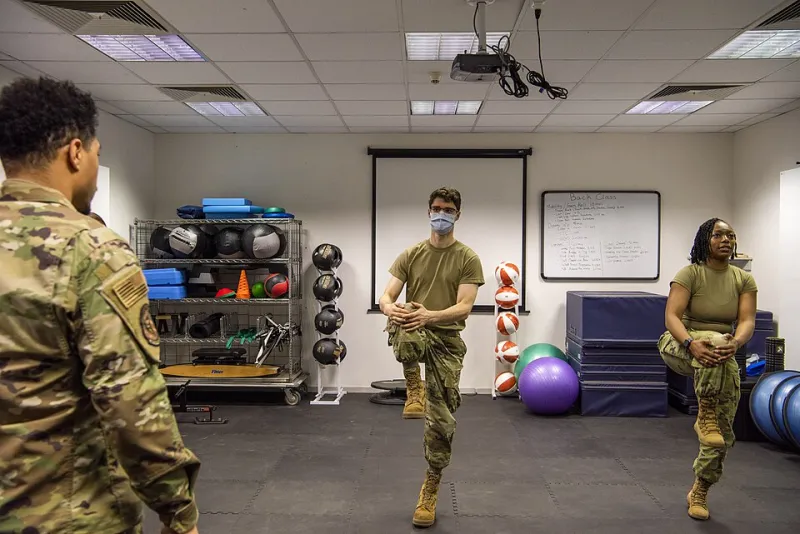
Photo: U.S. Army Corps of Engineers Europe District from Wiesbaden, Germany, Public domain, via Wikimedia Commons
Childbirth classes have a marketing problem. Every option claims to be evidence-based, empowering, and the one thing you need. In reality, classes are not interchangeable. A hospital class, an independent educator, an online course, and a doula-led prep session each teach different things, in different ways, for different reasons. The goal is not to find the mythical best class. The goal is to find the one that matches your birth setting and your nervous system.
Start with your birth setting
If you are planning a hospital birth with an epidural, a hospital-taught class can be genuinely useful. You will learn the building's policies, where to park, when to call, what interventions are common, and how the anesthesia team works. The trade-off is that hospital classes may gloss over alternatives or frame them as unlikely. That is not a conspiracy; it is institutional alignment.
If you want an unmedicated birth, a birth center birth, or a home birth, an independent childbirth educator may fit better. Many teach Lamaze, Bradley, Hypnobirthing, or their own curriculum. They tend to spend more time on coping strategies, positions, and partner support. The trade-off is cost, availability, and the occasional instructor with a strong philosophical agenda. Ask how they handle students who choose an epidural or end up with a cesarean.
Online courses are the flexible option. They are often cheaper and can be watched at 11 p.m. in bed. They are great for a refresher, a rural area, or a partner with a chaotic schedule. The trade-off is no local hospital info and no live practice. If you choose online, pair it with a hospital tour and a few in-person conversations with your provider.
Doula-led preparation is the most personalized option. You may get childbirth education plus help with your birth preferences, partner coaching, and postpartum planning. It can be excellent if you want advocacy and continuity. It is also usually the priciest route. Ask whether the class is included in the doula fee or sold separately.
Questions that separate substance from sales
Ask any instructor: What is your certification and training? What curriculum do you use? How much time do you spend on pain medication, induction, cesarean birth, and postpartum recovery? Do you cover infant feeding and newborn care? What is your refund policy? Can my support person attend? How large is the class? Do you offer a Q&A or follow-up session?
Then ask the harder question: How do you handle students whose birth does not go as planned? A good instructor will not promise you a certain birth. They will prepare you for variations without making you feel like a failure.
Red flags to watch for
Be wary of any class that guarantees a natural birth, shames pain medication, or treats cesarean birth as a personal failure. Be wary of instructors who cannot explain the evidence behind their claims or who dismiss all hospital policies as useless. Be wary of classes that spend 90 minutes on breathing and five minutes on postpartum. Be wary of high-pressure upsells and packages that cost more than your deductible.
Also watch for outdated claims, such as rigid rules about eating during labor or absolute statements about interventions. Good education should include nuance, not just confidence.
Match the class to your anxiety level
If you are anxious, you do not need a class that adds more fear. Look for small groups, clear explanations, and instructors who welcome questions. Ask how they teach interventions: as scary possibilities or as tools with risks and benefits? If you are planning an epidural, make sure the class covers it honestly rather than treating it as a failure.
If you are highly anxious about hospitals, a doula-led or independent class with a focus on advocacy may help. If you are anxious about the unknown, a hospital class plus a tour may be reassuring. There is no prize for choosing the most hardcore option.
A simple decision framework
Make a short list: birth setting, budget, schedule, partner involvement, and learning style. Then pick two classes that fit those realities. Call both. Ask the questions above. Choose the one where you feel comfortable asking a dumb question. That is usually the one that will actually prepare you.
You do not need the most expensive class or the most ideological one. You need accurate information, realistic expectations, and a partner who knows how to support you when the plan changes. That is a solid return on your time.