We Check Blood Pressure at Every Visit—So Why Aren't We Screening for Depression?

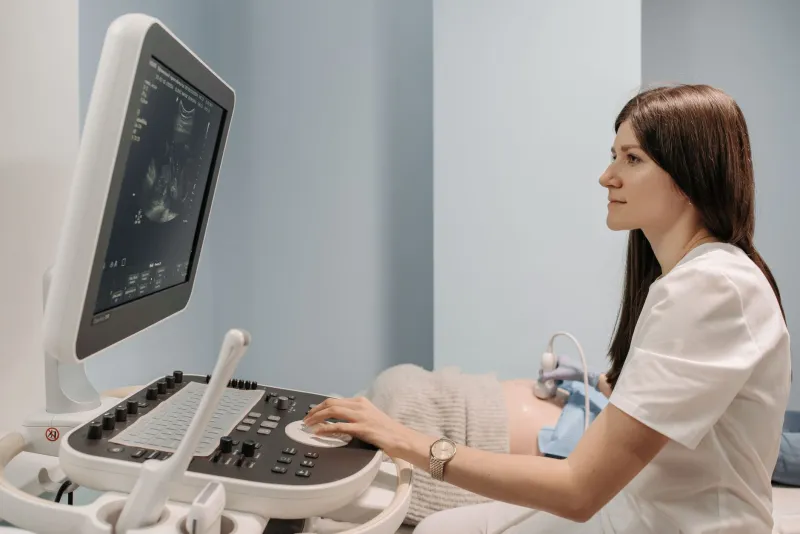
At virtually every prenatal appointment, your care team measures your blood pressure, checks your weight, tests your urine, and monitors your baby's heart rate. These are non-negotiable benchmarks of a healthy pregnancy, and nobody questions why they're part of routine care.
So here's a question worth sitting with: when was the last time your OB or midwife asked how you were really doing emotionally?
For a lot of pregnant women in the United States, the honest answer is: not often enough—or maybe never.
The Numbers Tell a Difficult Story
Perinatal mood and anxiety disorders (PMADs) are the most common complication of pregnancy and the postpartum period. Research suggests that depression and anxiety affect somewhere between 15% and 20% of pregnant and postpartum women in the US—and those are just the cases we know about. Underreporting, stigma, and limited screening mean the real numbers are likely higher.
And yet, despite guidelines from the American College of Obstetricians and Gynecologists (ACOG) and the US Preventive Services Task Force recommending depression screening during and after pregnancy, implementation is wildly inconsistent. A 2023 study found that fewer than half of OB practices had a standardized screening protocol in place. What that means in practice: whether or not a pregnant woman gets screened for depression often depends entirely on which zip code she lives in, which insurance she carries, and which provider she happens to see.
That's not a healthcare system—that's a lottery.
What Undiagnosed Perinatal Depression Actually Looks Like
Jamila, a first-time mom from Atlanta, described her experience during her second trimester as feeling like she was "watching her own pregnancy from behind glass." She wasn't crying constantly. She wasn't having thoughts of self-harm. She was just... flat. Disconnected. Going through the motions of prenatal appointments, nursery prep, and baby shower planning while feeling a persistent, low-grade dread she couldn't explain.
"I kept thinking, 'I'm supposed to be happy. Something is wrong with me,'" she said. "Nobody at my appointments ever asked. I didn't know how to bring it up."
Her experience is far from unusual. Prenatal depression and anxiety often don't look the way people expect—the image of a tearful, visibly struggling woman is just one presentation. More commonly, it shows up as:
- Persistent worry or racing thoughts about pregnancy, the baby, or the future
- Difficulty sleeping even when exhausted (beyond normal pregnancy discomfort)
- Feeling emotionally numb or detached from the pregnancy
- Irritability and a shortened fuse
- Loss of interest in things that usually bring joy
- Physical symptoms like headaches or GI issues without a clear cause
When these experiences go unrecognized and untreated, the consequences extend beyond the mother. Untreated perinatal depression is associated with preterm birth, low birth weight, difficulties with bonding, and long-term developmental impacts on children. This is a maternal health issue and a child health issue.
Why Screening Still Isn't Standard
So if the evidence is clear and the guidelines exist, what's getting in the way?
A few things, honestly.
Time constraints in obstetric practice are real. The average prenatal visit in the US lasts about 12 minutes. When providers are trying to cover fetal development, medication reviews, lab results, and birth planning, a validated mental health screening questionnaire—and the follow-up conversation it might prompt—can feel like something that gets pushed to next time. Except next time never comes.
Stigma still shapes what pregnant women feel comfortable disclosing. Many women worry that admitting to depression or anxiety during pregnancy will flag them as unfit mothers, trigger involvement from child protective services, or result in medication they're afraid to take while pregnant. These fears, while largely unfounded, are powerful enough to keep women silent.
Fragmented care is another culprit. In the US, OBs manage physical health, while mental health care sits in an entirely separate system. There's no automatic bridge between the two, which means a woman would have to self-identify a problem, seek a referral, navigate insurance coverage, and find an available therapist—all while pregnant and potentially already struggling.
And for Black and brown women, the barriers compound. Research consistently shows that women of color are both more likely to experience perinatal depression and less likely to be screened, diagnosed, or treated. Structural racism in healthcare isn't abstract—it shows up in who gets asked about their mental health and who doesn't.
What Standardized Screening Would Actually Look Like
The Edinburgh Postnatal Depression Scale (EPDS) is a validated, ten-question tool that takes about five minutes to complete. It's free, it's widely available, and it's effective at identifying women who need further evaluation. The PHQ-9, another common depression screening tool, is equally accessible.
A genuine commitment to perinatal mental health screening would look like this: every pregnant patient completes a validated screening tool at their initial prenatal visit, at least once during the second trimester, and again postpartum. Results are reviewed—not just collected—and any score above the threshold triggers a warm handoff to a mental health resource, not just a pamphlet.
Some forward-thinking practices are already doing this. Integrated care models that embed behavioral health providers directly into OB offices have shown real promise in improving both screening rates and treatment access. Telehealth has made it easier for women in rural areas to connect with perinatal mental health specialists. These models exist. They work. They just aren't the norm yet.
What You Can Do Right Now
Advocating for systemic change is important—but if you're pregnant today, you need resources today. Here's where to start:
Ask directly. At your next appointment, you can bring it up yourself: "I've read that depression and anxiety are really common during pregnancy. Do you have a way to screen for that here?" You don't have to wait to be asked.
Use screening tools yourself. The Edinburgh Postnatal Depression Scale is available online and takes minutes. If your score suggests you might be struggling, bring that information to your provider.
Know that treatment is available and safe. Therapy—particularly cognitive behavioral therapy (CBT)—is highly effective for perinatal depression and anxiety. Certain antidepressants are also considered safe during pregnancy. The risks of untreated depression to your pregnancy are real; the decision about treatment is one to make with your provider, not avoid out of fear.
Connect with community. Postpartum Support International (postpartum.net) has a helpline, a provider directory, and online support groups specifically for perinatal mood disorders. You don't have to be postpartum to reach out—they support pregnant women too.
The Bottom Line
Your mental health is not separate from your pregnancy health. It is part of it. A system that monitors your hemoglobin levels and cervical length but doesn't ask how you're holding up emotionally is an incomplete system—and you deserve better than incomplete.
Until screening is truly universal, the most powerful thing you can do is refuse to let your emotional experience be invisible. Speak up, ask questions, and remember: getting support isn't a sign of weakness. It's one of the most important things you can do for yourself and your baby.