Pack Light, Birth Loud: What Actually Belongs in Your 2026 Hospital Bag

Photo: packed hospital bag for birth with robe and baby outfit in hospital room, via assets.khelnow.com
Somewhere between the 30th hospital-bag haul video and the third $40 bamboo nursing robe, it becomes clear that online packing lists are not really about birth. They are about shopping. A hospital bag is not a camping trip. You are not heading into the wilderness; you are heading into a building with staff, supplies, and a cafeteria that may or may not have decent Jell-O. The goal is to pack what helps you feel human, not to recreate a boutique hotel in a room with a call button.
First, ask what your hospital actually gives you
Most US hospitals provide more than the internet admits: thick pads, mesh underwear, a peri bottle, ice packs, bed pads, towels, newborn diapers and wipes, swaddle blankets, and formula if you need it. Many also have breast pumps available, nipple cream, and sitz bath supplies. Policies vary by hospital and by state, so call labor and delivery around 32 weeks and ask directly.
Good questions: What do you supply for mom and baby? What is banned in the room, like candles, diffusers, or essential oils? Can I bring a birth ball, or do you have one? Do you provide a pump if needed? This one phone call can save you $100 and a bag full of duplicate stuff.
The only timeline you need
At 32 to 34 weeks, wash the baby's going-home outfit, install the car seat, and make a list. At 35 to 36 weeks, actually pack. By 37 weeks, the bag should be by the door and the car seat base should be checked. If you have a high-risk pregnancy or your provider expects an earlier delivery, pack sooner.
Use two bags: a small labor bag for the room and a larger postpartum and going-home bag that can stay in the car until you need it. That keeps you from digging through a suitcase while you are contracting.
What earns a spot
Bring your ID, insurance card, a copy of your birth preferences if you made one, a long phone charger, a battery pack, lip balm, hair ties, glasses and a contact case, comfortable socks, slippers, a robe, a soft nursing or sleep bra, a loose going-home outfit, toiletries, snacks, a water bottle, and a portable fan. A pillow with a brightly colored case is worth it if you are picky about pillows. A massage tool, music, and a small speaker can help, but check hospital rules first.
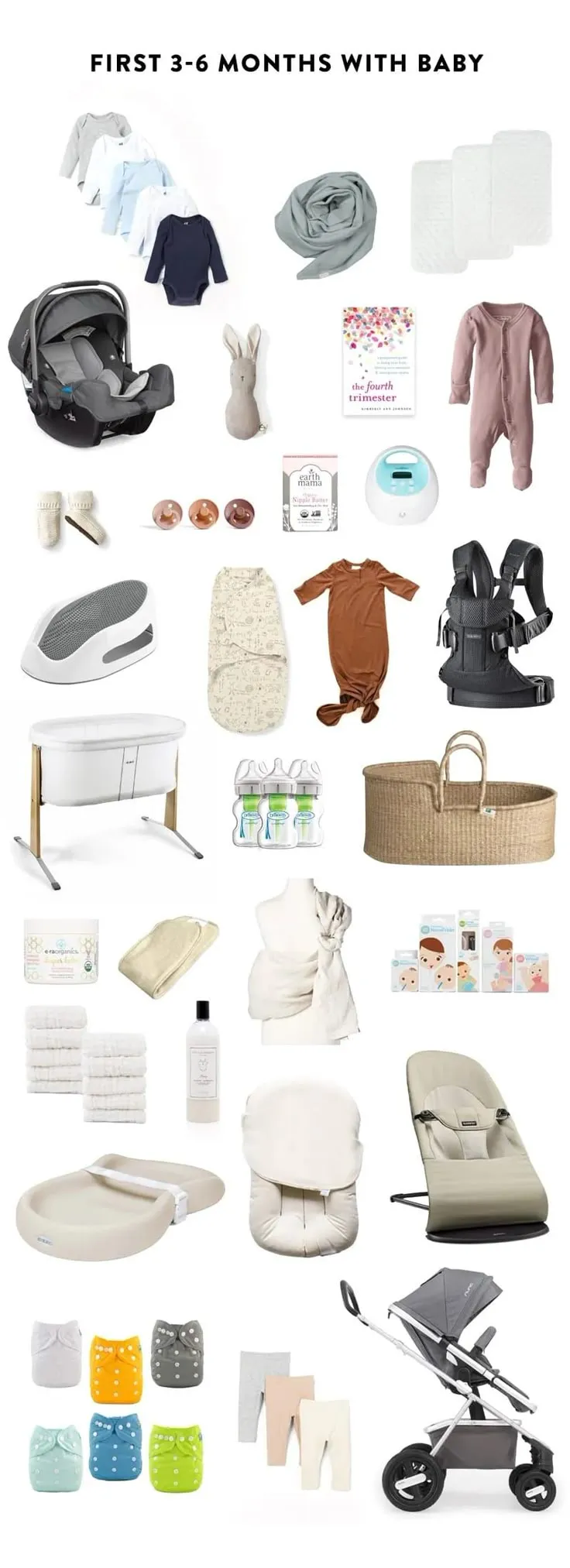
For the baby, you need a going-home outfit, a hat, socks, and a properly installed car seat. That is it. The hospital has the rest.
What can stay home
Skip candles, diffusers, and anything with a plug that might be against hospital policy. Skip the giant speaker, the five-outfit baby wardrobe, adult diapers, and industrial-size pads unless your hospital tells you otherwise. Skip the breast pump unless your provider or hospital specifically asks you to bring it. Skip valuables. Skip the matching family outfits for a photo shoot you may not feel like doing at hour 18.
A labor gown is optional. Some people love their own; some end up in the hospital gown anyway. Treat it as a comfort item, not a requirement.
The support person list
Your partner or support person needs their own small bag: snacks, a change of clothes, medications, a phone charger, a pillow, a light blanket, cash or a card, toiletries, and a list of contacts. If they plan to help you in the shower, a change of clothes they can get wet is smart. They should also know where the cafeteria is, how to use the parking app, and when to step out so you can rest.
The final rule
If you have not used it in a hospital or packed it for a weekend trip, question it. If you can buy it at the hospital gift shop or send your partner out for it, do not haul it in. Pack light, birth loud, and leave room for the stuff the hospital sends home with you.
One last sanity check
Before you zip the bag, ask yourself: Does this help me recover, feed my baby, or feel less gross? If the answer is no, it can stay home.