Prenatal Supplements Decoded: What You Actually Need (and What's Just Clever Marketing)
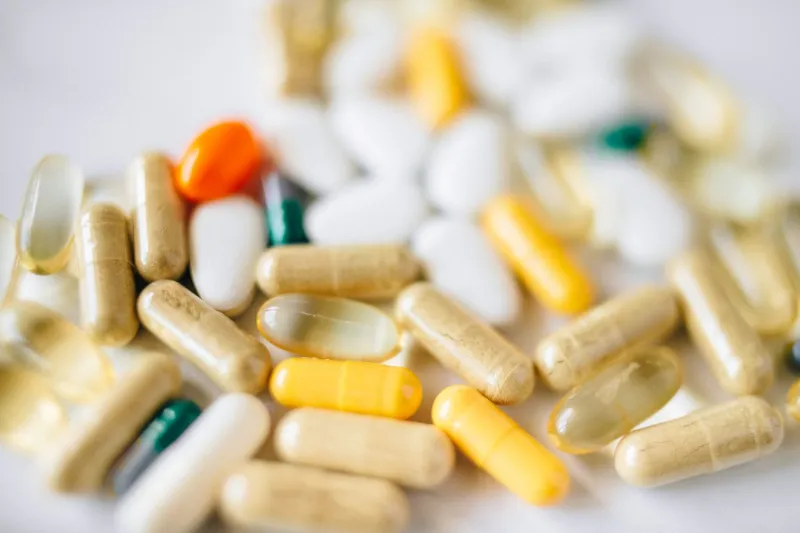
If you've been pregnant for more than a week, someone has probably already told you to "make sure you're taking your prenatals." And then, almost immediately after, an ad for a $60 trimester-specific wellness bundle showed up in your social feed. Coincidence? Definitely not.
The supplement industry loves pregnant people. You're motivated, you're cautious, and you will absolutely spend money if something promises to help your baby. That's completely understandable — but it also makes you a prime target for products that range from genuinely useful to spectacularly unnecessary.
Here's the honest breakdown.
The Non-Negotiables: Nutrients That Actually Move the Needle
Folic acid (or folate) is the one supplement that has decades of rock-solid research behind it. Getting at least 400–800 mcg daily — ideally starting before you even conceive — dramatically reduces the risk of neural tube defects like spina bifida. If you're taking a prenatal vitamin, this is already in there. If you carry a MTHFR gene variant, your OB or midwife might recommend the methylfolate form instead, since some people don't convert folic acid as efficiently. Worth asking about.
Iron is another big one. Your blood volume increases by nearly 50% during pregnancy, and your body needs significantly more iron to keep up. Many people become iron-deficient during the second and third trimesters even when eating a balanced diet. Most prenatal vitamins include iron, but if your provider checks your levels and finds them low, you may need a standalone supplement on top of your prenatal. Don't self-diagnose this one — too much iron causes its own problems.
Iodine often flies under the radar, but it's critical for fetal brain development and thyroid function. The American Thyroid Association recommends 150 mcg daily during pregnancy, yet a surprising number of prenatal vitamins — including some popular gummy versions — contain little to no iodine. Check your label.
Choline is having a moment in the research world. It supports fetal brain and spinal cord development similarly to folate, but most prenatal vitamins don't include enough of it (if any). The recommended intake during pregnancy is 450 mg per day. Eggs are one of the best dietary sources, so if you're eating them regularly, you may be covering a good portion of your needs — but it's worth tracking.
Vitamin D deficiency is extremely common in the US, particularly in northern states and among people with darker skin tones. Low levels during pregnancy have been linked to preterm birth, gestational diabetes, and low birth weight. Your provider can check your levels with a simple blood test. Many prenatal vitamins include some vitamin D, but if you're already deficient, you'll likely need a higher-dose supplement.
DHA (an omega-3 fatty acid) supports fetal brain and eye development, and most Americans don't get enough through diet alone — especially if you're avoiding fish due to mercury concerns. Look for a prenatal that includes at least 200 mg of DHA, or add a separate fish oil or algae-based omega-3 supplement. The algae-based version is a solid option if you're vegetarian or just not into fish burps.
The Gummy Problem
Let's talk about gummy prenatals, because they are everywhere and they are genuinely cute and easy to take. Here's the catch: gummy vitamins often skip iron entirely (it affects taste and texture), and as mentioned above, many skip iodine too. If a gummy prenatal is the only thing standing between you and taking nothing at all, it's still better than nothing — but go in with eyes open about what's missing, and talk to your provider about filling those gaps.
The "Maybe Useful" Category
Magnesium is one that often comes up in pregnancy circles, particularly for leg cramps, sleep issues, and constipation. There's decent evidence that magnesium glycinate or magnesium citrate can help with these complaints, and deficiency is fairly common. That said, it's not automatically part of standard prenatal recommendations, so run it by your provider before adding it.
Probiotics have some promising research behind them related to reducing gestational diabetes risk and supporting immune function, but the evidence isn't strong enough yet to make them a universal recommendation. If you're already taking one and tolerating it well, most providers won't tell you to stop. But you don't need to go out of your way to add one solely because a wellness influencer told you to.
B6 (pyridoxine) is worth knowing about specifically for nausea. It's one of the few supplements with actual clinical evidence for helping with morning sickness, and it's sometimes combined with doxylamine (sold as Unisom SleepTabs) as a first-line treatment. Your OB or midwife may suggest this combo if nausea is hitting you hard.
The "Skip It" List
Herbal supplements are a gray area that often shades into a red zone during pregnancy. Products marketed as "pregnancy-safe" or "made for mamas" don't have to prove that claim to anyone before hitting shelves. The FDA doesn't regulate supplements the same way it does medications, which means a lot of herbal blends are unstudied in pregnant populations, and some (like high-dose ginger supplements, certain adaptogens, and anything containing black cohosh or pennyroyal) carry real risks. If it's herbal and it's not food, check with your provider before taking it.
High-dose vitamin A is another one to actively avoid. While you need some vitamin A during pregnancy, megadose supplements — particularly in the retinol form — are associated with birth defects. Most prenatal vitamins use beta-carotene instead, which is safe, but watch out for any add-on supplements that list high amounts of retinol.
Collagen powders, "beauty from within" blends, and pregnancy-branded wellness teas are generally not harmful in small amounts, but they're also not doing much for your baby. They're doing a lot for the companies selling them, though.
How to Actually Choose a Prenatal Vitamin
You don't need to spend $80 a month on a prenatal vitamin. A solid option will include: folate or folic acid (400–800 mcg), iron (~27 mg), iodine (150 mcg), vitamin D (at least 600 IU), and DHA (200+ mg). Many people do just fine with a store-brand option from Target or Costco that hits these marks.
If you have specific dietary restrictions, a history of nutrient deficiencies, or a higher-risk pregnancy, your provider may have more tailored recommendations. That's exactly the kind of conversation worth having at your next prenatal visit — bring your current supplement lineup and ask someone who knows your actual health history to weigh in.
Your baby needs you nourished and not financially stressed. Sometimes the best wellness decision is putting the $60 Instagram bundle back in your cart and closing the tab.