So You're the Support Person: A No-Fluff Guide to Showing Up During Pregnancy

Let's be honest: most pregnancy content is written for the person who's actually pregnant. And that makes sense—they're doing the heavy lifting, literally and figuratively. But partners, dads, co-parents, and support people play a bigger role in maternal wellness than most people realize. Research consistently shows that when a pregnant person feels supported at home and at appointments, their health outcomes improve. Stress levels drop. Mental health holds steadier.
So if you're the person on the other side of this pregnancy and you want to do more than just show up with pickles and ice cream at 11 p.m., this guide is for you.
First Things First: This Is Not Your Pregnancy
That might sound harsh, but it's actually freeing. You don't need to have all the answers, manage every decision, or become an overnight OB expert. What you do need is to understand your role—which is to support, not to steer.
This means listening more than you talk. It means asking "what do you need from me right now?" instead of jumping straight into fix-it mode. Pregnancy brings up a lot of complicated emotions, and sometimes your partner just needs to vent without you immediately Googling solutions.
Establishing this dynamic early makes everything else easier—appointments, disagreements about birth plans, the exhausting third trimester. Make it a habit now.
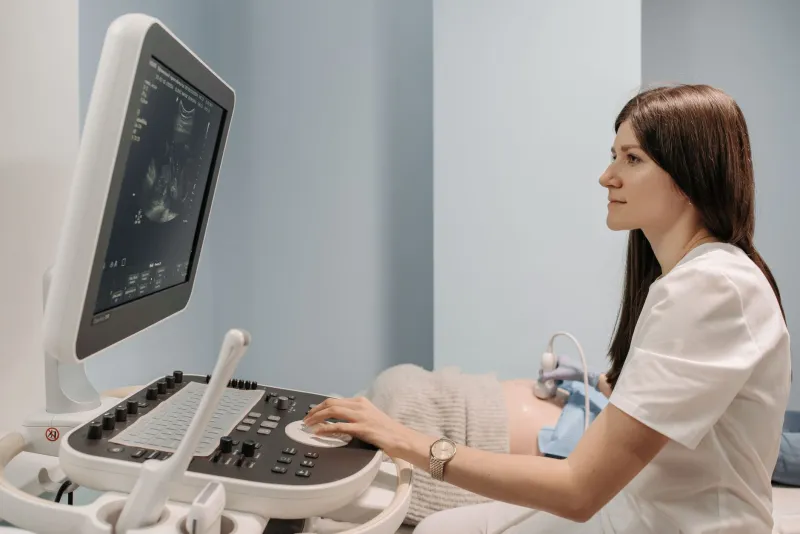
Prenatal Appointments: Yes, You Should Be There
If your schedule allows, attending prenatal visits is one of the most concrete ways to stay involved. But showing up isn't enough—you need to engage.
Before each appointment, ask your partner if there's anything they want you to bring up or anything they'd rather you stay quiet about. Some people want their partner to ask questions; others find it overwhelming to have someone else driving the conversation with their doctor.
Questions that are genuinely useful to ask at appointments:
- "What symptoms should we watch for before the next visit?"
- "Is there anything about her lifestyle or stress levels we should address?"
- "What does the birth plan process look like at this practice?"
- "Are there any screenings coming up that we should prepare for emotionally or logistically?"
Keep a shared notes app or doc where you both log questions between visits. It sounds small, but it signals that you're paying attention—and it keeps important information from falling through the cracks.
Recognizing Warning Signs (Because Two Sets of Eyes Matter)
Your partner may not always flag something that feels "off." Maybe they don't want to seem dramatic. Maybe they've normalized symptoms that actually warrant a call to the provider. This is where you come in.
Learn the signs that require immediate medical attention during pregnancy:
- Heavy bleeding at any stage
- Severe headaches, especially in the second or third trimester (can signal preeclampsia)
- Sudden swelling in the face, hands, or feet
- Decreased fetal movement after 28 weeks
- Chest pain or difficulty breathing
- High fever
- Painful or burning urination (can indicate UTI, which can escalate quickly during pregnancy)
You don't need to be paranoid—but you should be informed. Having a basic understanding of what's normal versus what needs a phone call to the OB can genuinely make a difference.
Mental Health Is Part of Prenatal Care—Full Stop
One in five pregnant people in the U.S. experiences a perinatal mood disorder, which includes anxiety and depression during pregnancy, not just postpartum. A lot of these cases go unrecognized because the symptoms—fatigue, mood swings, trouble sleeping—overlap with normal pregnancy experiences.
As a partner, you're often in the best position to notice changes. Watch for:
- Persistent sadness or tearfulness that doesn't lift
- Withdrawing from activities or people they used to enjoy
- Expressing hopelessness or saying things like "I can't do this"
- Extreme anxiety about the baby's health, labor, or parenting
- Significant changes in appetite or sleep beyond what's typical
If you notice these things, don't panic—and don't dismiss them either. A gentle, non-judgmental conversation is the right starting point. Something like: "I've noticed you seem really overwhelmed lately. I'm not trying to make a big deal out of it, but I want to make sure you're okay. Have you thought about mentioning it to your doctor?"
Encouraging your partner to bring up mental health at their next appointment—or even calling the office yourself to ask about resources—is a legitimate and meaningful form of support.
Practical Support Doesn't Have to Be Complicated
You don't need a grand gesture. Consistent, low-key support is what actually moves the needle.
Things that genuinely help:
- Taking over a household task without being asked (and without announcing it like you want a medal)
- Doing the research on pediatricians, hospital bag essentials, or childbirth classes so your partner doesn't have to carry that mental load alone
- Learning what foods and activities are off-limits so you're not accidentally offering something problematic
- Driving to late-night bathroom runs for snacks without making it a whole thing
- Being the point person for family members who have a lot of opinions
That last one deserves its own paragraph. Fielding unsolicited advice from relatives—especially about birth plans, feeding choices, and baby names—is genuinely exhausting. If you can be the buffer between your partner and well-meaning but overwhelming family members, do it.
Getting Ready for Labor Without Taking Over
As the due date approaches, it's natural to want to feel prepared. Take a childbirth class together. Read up on the stages of labor. Know where the hospital is and have a bag ready. These are all good things.
What's less helpful: memorizing every possible intervention and then narrating the labor room like a sports commentator. Your job during labor is to follow your partner's lead, advocate for their stated wishes when they can't, and stay calm even if you don't feel calm.
Before labor begins, talk through the birth plan together. Know what your partner wants—and more importantly, know what they don't want. Are there certain phrases that feel dismissive? Do they want you to hold their hand or give them space? Do they want you to speak up with the medical team, or only if asked?
Having these conversations ahead of time means you're not guessing in the moment.
The Bottom Line
Being a great support person during pregnancy doesn't require a perfect track record or encyclopedic medical knowledge. It requires showing up consistently, paying attention, and being willing to put someone else's needs ahead of your own comfort—sometimes for months at a stretch.
That's not nothing. In fact, it's a lot. And the research backs it up: when pregnant people feel genuinely supported, they're less stressed, more likely to attend prenatal care, and more likely to have positive birth experiences.
So do the reading. Go to the appointments. Ask the questions. And when in doubt, just ask your partner what they need—then actually do it.